MoniDose in Leeds on 15 Jan 2026 – Supporting the NHS Shift from Hospital to Community
MoniDose took part in the Propel Healthtech programme activities in Leeds. It was an important milestone – we presented MoniDose and had direct discussions with UK healthcare stakeholders.

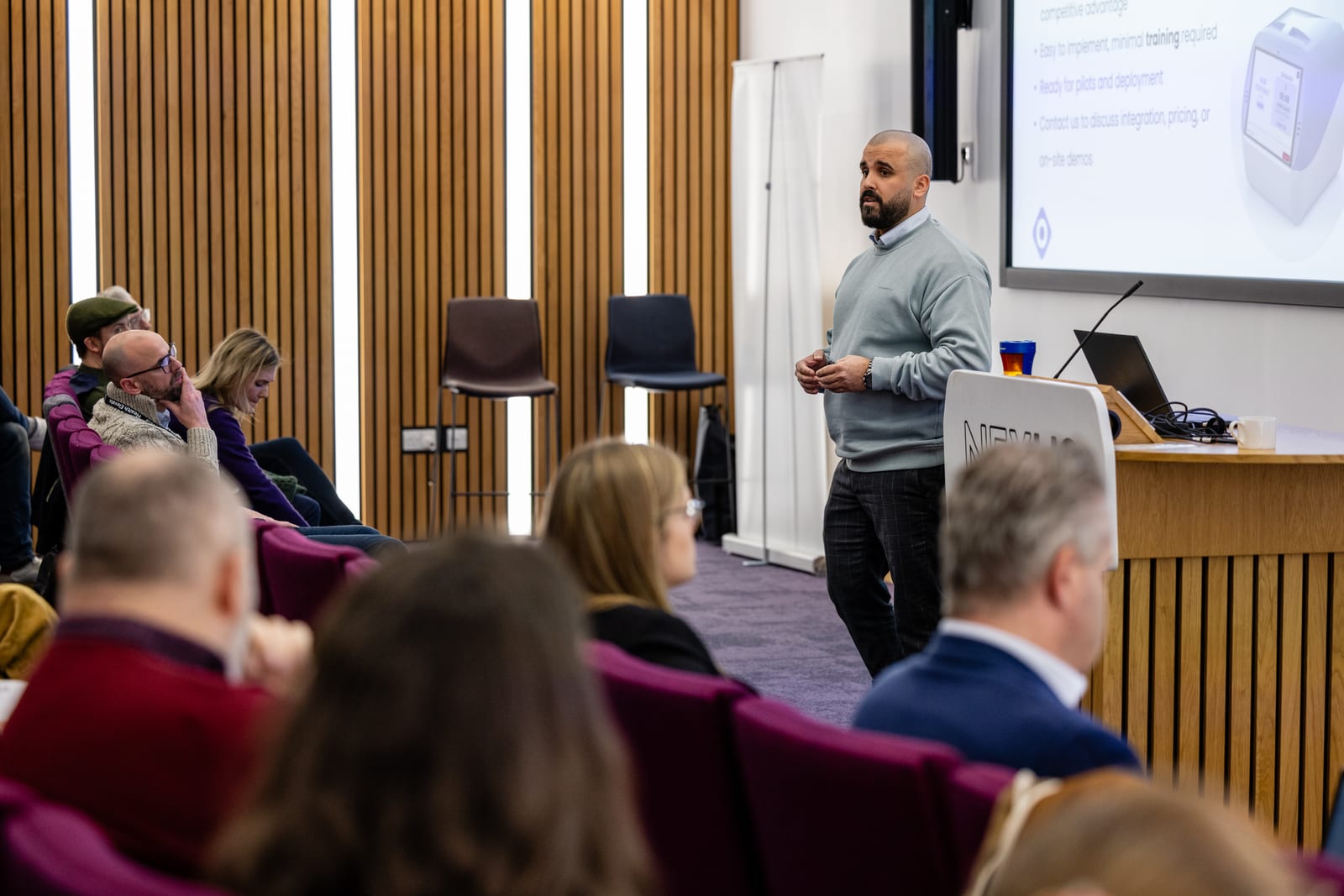
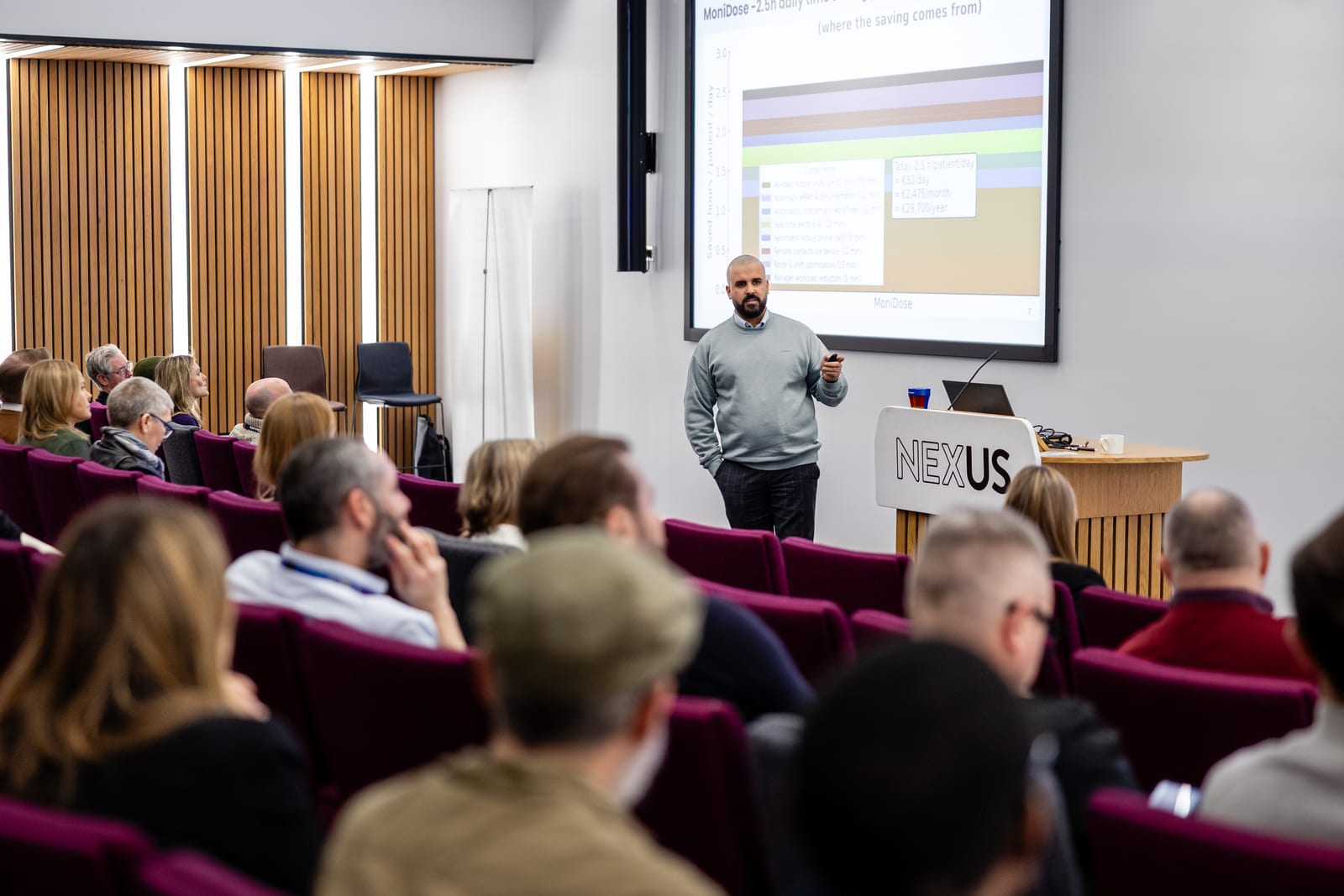
On 15 January 2026, MoniDose took part in the Propel Healthtech programme activities in Leeds. It was an important milestone for us – we presented MoniDose and had direct, practical discussions with UK healthcare stakeholders about what medication safety and community-based care truly require in everyday life.
Leeds reinforced a clear direction in the UK. Care is moving steadily from hospitals into communities and people's homes. This "hospital to community" shift is not just a strategy – it's becoming the operational reality. More patients are supported at home, services must work reliably in the field, and safety cannot be compromised.
Why Medication Safety is One of the Biggest Everyday Challenges
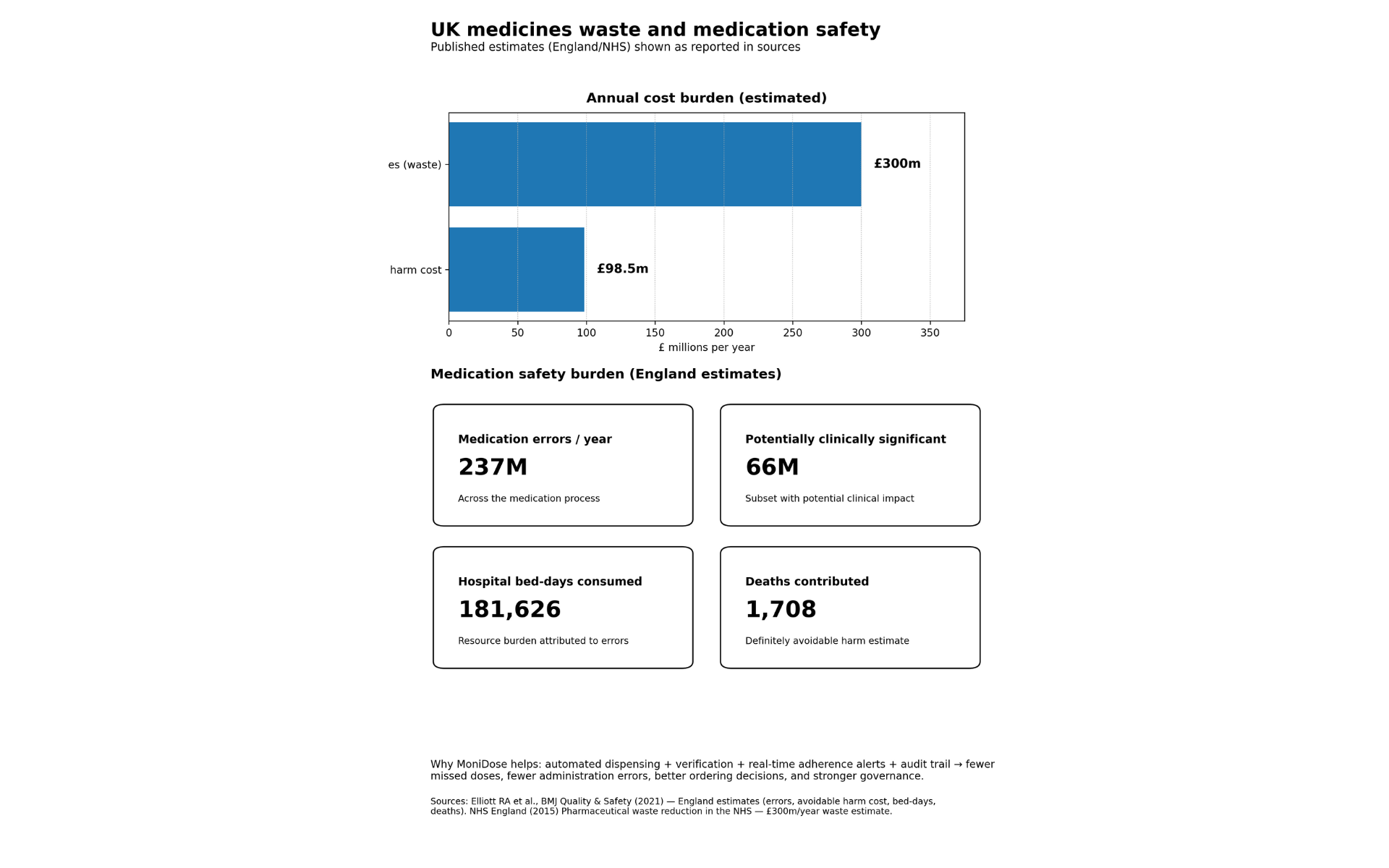
Medication is central to home care and elderly services, yet it remains one of the most fragile workflows. Small mistakes can have serious consequences. When daily work is busy, information is fragmented, reminders are manual, and exceptions are noticed too late, workload rises – and risk increases.
MoniDose was built for this reality. We are not creating another layer of bureaucracy. We are building a solution that makes medication routines simpler, safer, and more visible in real-world care.
The MoniDose Vision
Our vision is clear: medication must remain safe, visible, and manageable even when care happens at home.
As care moves from hospital to home, safety and monitoring must move with it – without adding administrative burden for professionals.
Long term, MoniDose is built around one integrated goal:
Safer medication routines
Earlier detection of exceptions and risk signals
Smoother collaboration across the care ecosystem
How MoniDose Helps in Practice
MoniDose is designed to support care teams, not add friction. At its core, it makes everyday medication routines more predictable:
Care teams gain stronger confidence that routines are happening as intended
Exceptions can be noticed earlier and handled faster
Less time goes into routine follow-ups, freeing time for human care
Providers gain more reliable visibility into daily execution and quality
In Leeds, a consistent point came up: adoption only works when a solution is easy in practice and provides clear value quickly. That is exactly our approach – build MoniDose to work in real life, not only on paper.
Clear Demand in the Private Sector as Well
The demand is not limited to the public sector. In the UK, private home care and care providers are actively exploring solutions that improve quality while reducing operational pressure. This aligned closely with MoniDose's approach and informed our thinking about future UK pathways.
What's Next
The Leeds milestone on 15 Jan helped sharpen our UK pathway – what pilots should validate, how deployments should be structured, and what partnerships matter most so the solution becomes part of the service, not an extra layer.
Next steps for MoniDose:
Progressing UK partnership and pilot discussions
Finalising a pilot model that generates measurable evidence
Moving forward step by step, responsibly, towards deployments
A big thank you to everyone who shared insights openly. Special thanks to Health Innovation Yorkshire & Humber, Leeds Teaching Hospitals NHS Trust and Nexus Leeds for supporting the Leeds programme.